Snap Action Switch
 Sold Out
Understanding the Power of the Snap Action Switch
The Snap Action Switch is a cornerstone of mechanical engineering within industrial printers. Often referred to as a micro switch, it operates on a rapid-fire mechanism. This internal spring system ensures that the electrical contacts move at a high speed. This happens regardless of how slowly the external actuator is pressed. In the world of DTF and UV-LED printing, this speed is vital for timing. It provides an instantaneous signal to the printer's mainboard to trigger specific actions.
The Mechanics of the "Snap" Effect
The name comes from the distinct tactile and audible "snap" produced during operation. Inside the housing, a flat spring is held under tension. When the external lever or button is moved to a specific point, the spring flips. This movement transfers the contact from one terminal to another in milliseconds. This rapid transition minimizes electrical arcing between the contacts. It also ensures that the switch remains accurate over millions of cycles. For a high-speed printer carriage, this level of precision is non-negotiable.
Applications in DTF and UV Hardware
In your printing setup, the Snap Action Switch performs several critical roles. It is frequently used as a door or cover safety sensor. If you open the printer lid during a job, this switch cuts the power to moving parts. It also functions as a media sensor to detect the edge of your film roll. Furthermore, it can be found in the ink system to detect when a waste tank is full. Because it is small and reliable, it fits into the tightest corners of the machine.
Durability and Industrial Ratings
Industrial environments are demanding for electronic components. A high-quality Snap Action Switch is designed to handle thousands of operations daily. These switches are typically rated for 10 million mechanical cycles or more. They are built from flame-retardant plastics and use high-purity silver for the contact points. This ensures that the electrical resistance remains low throughout the life of the part. Reliability here means fewer "sensor errors" and more productive hours for your business.
Protecting Sensitive Printing Supplies
The accuracy of this switch directly protects your Supplies and hardware. For instance, if used as a limit sensor, it prevents the carriage from hitting the frame. A collision can damage the nozzle plate of an expensive Epson printhead. By providing a reliable "stop" signal, the switch ensures the hardware stays within safe zones. It also ensures that the capping station engages correctly to keep your ink from drying out. In short, it is a small guardian for your most valuable equipment.
Signs of a Failing Micro Switch
Even the best mechanical parts eventually reach the end of their lifespan. You might notice that the printer intermittently fails to recognize a closed door. Sometimes, the tactile "click" becomes dull or disappears entirely. If the internal spring weakens, the switch might stick in the "on" or "off" position. This leads to persistent error codes that prevent the machine from initializing. Replacing a Snap Action Switch at the first sign of trouble prevents unexpected downtime.
Installation and Wiring Basics
Most Snap Action Switches feature three terminals: Common (COM), Normally Open (NO), and Normally Closed (NC). This allows the switch to be used in different electrical logic circuits. When replacing a switch, it is vital to match the terminal configuration of the original part. Most versions are "plug-and-play" with standard spade connectors or soldered wires. Ensure that the mounting screws are tight so the switch does not shift during vibration. A shifted switch will lose its calibration and send incorrect signals.
Resistance to Dust and Moisture
Print shops can be harsh environments due to ink mist and humidity. A standard Snap Action Switch may eventually fail if dust enters the internal housing. For high-dust environments, many operators choose sealed or IP-rated versions. These switches feature a rubber boot or a sealed casing to protect the internal spring. If your printer is used for high-volume DTF production, a sealed switch is a smart upgrade. It prevents adhesive powder from gumming up the mechanical action.
The Evolution of Miniature Sensors
While older printers used bulky levers, modern machines use miniature versions of this switch. These "Subminiature" snap action switches offer the same power in a much smaller footprint. This allows manufacturers to pack more sensors into a compact printer design. Despite their small size, they maintain the same high-current carrying capacity. They are proof that in industrial printing, size does not dictate strength or reliability.
Troubleshooting and Maintenance
Maintaining these switches is simple but often overlooked. You should periodically check for any ink buildup on the actuator lever. If the lever cannot move freely, the switch will not trigger. A quick wipe with a lint-free cloth and a drop of specialized cleaner is usually enough. Do not use heavy oils or greases, as these will attract dust and cause clogs. A clean Snap Action Switch is a consistent one, ensuring your UV DTF Transfers are produced without error.
Conclusion: Precision at the Click of a Button
The Snap Action Switch is a silent hero in the digital printing process. It provides the high-speed feedback necessary for safety, timing, and precision. By understanding how it works and keeping it maintained, you protect your printer's longevity. Small, durable, and incredibly accurate, it is a part that no industrial machine can function without. Invest in quality switches to keep your production line clicking along smoothly.
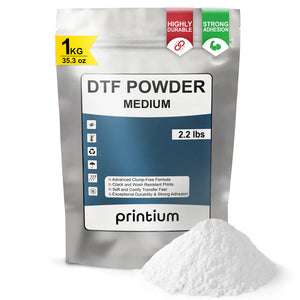
Explore the DTF Powders collection for high-quality adhesive powders designed to ensure strong, durable transfers on fabric, leather, and other materials. These powders are formulated to bond reliably with DTF films and printed ink layers, delivering washes‑resistant, flexible results that keep designs vibrant over time. Ideal for both small‑batch orders and large‑scale production, the collection offers a variety of powder types suited to different fabrics and printing needs.
YouTube
WhatsApp +1 (201) 250-5146
- Processing1-2 Business Days
- Standard Shipping3-5 Business Days
- Express Shipping1-2 Business Days
- Free ShippingOrders $59+
Understanding the Power of the Snap Action Switch
The Snap Action Switch is a cornerstone of mechanical engineering within industrial printers. Often referred to as a micro switch, it operates on a rapid-fire mechanism. This internal spring system ensures that the electrical contacts move at a high speed. This happens regardless of how slowly the external actuator is pressed. In the world of DTF and UV-LED printing, this speed is vital for timing. It provides an instantaneous signal to the printer's mainboard to trigger specific actions.
The Mechanics of the "Snap" Effect
The name comes from the distinct tactile and audible "snap" produced during operation. Inside the housing, a flat spring is held under tension. When the external lever or button is moved to a specific point, the spring flips. This movement transfers the contact from one terminal to another in milliseconds. This rapid transition minimizes electrical arcing between the contacts. It also ensures that the switch remains accurate over millions of cycles. For a high-speed printer carriage, this level of precision is non-negotiable.
Applications in DTF and UV Hardware
In your printing setup, the Snap Action Switch performs several critical roles. It is frequently used as a door or cover safety sensor. If you open the printer lid during a job, this switch cuts the power to moving parts. It also functions as a media sensor to detect the edge of your film roll. Furthermore, it can be found in the ink system to detect when a waste tank is full. Because it is small and reliable, it fits into the tightest corners of the machine.
Durability and Industrial Ratings
Industrial environments are demanding for electronic components. A high-quality Snap Action Switch is designed to handle thousands of operations daily. These switches are typically rated for 10 million mechanical cycles or more. They are built from flame-retardant plastics and use high-purity silver for the contact points. This ensures that the electrical resistance remains low throughout the life of the part. Reliability here means fewer "sensor errors" and more productive hours for your business.
Protecting Sensitive Printing Supplies
The accuracy of this switch directly protects your Supplies and hardware. For instance, if used as a limit sensor, it prevents the carriage from hitting the frame. A collision can damage the nozzle plate of an expensive Epson printhead. By providing a reliable "stop" signal, the switch ensures the hardware stays within safe zones. It also ensures that the capping station engages correctly to keep your ink from drying out. In short, it is a small guardian for your most valuable equipment.
Signs of a Failing Micro Switch
Even the best mechanical parts eventually reach the end of their lifespan. You might notice that the printer intermittently fails to recognize a closed door. Sometimes, the tactile "click" becomes dull or disappears entirely. If the internal spring weakens, the switch might stick in the "on" or "off" position. This leads to persistent error codes that prevent the machine from initializing. Replacing a Snap Action Switch at the first sign of trouble prevents unexpected downtime.
Installation and Wiring Basics
Most Snap Action Switches feature three terminals: Common (COM), Normally Open (NO), and Normally Closed (NC). This allows the switch to be used in different electrical logic circuits. When replacing a switch, it is vital to match the terminal configuration of the original part. Most versions are "plug-and-play" with standard spade connectors or soldered wires. Ensure that the mounting screws are tight so the switch does not shift during vibration. A shifted switch will lose its calibration and send incorrect signals.
Resistance to Dust and Moisture
Print shops can be harsh environments due to ink mist and humidity. A standard Snap Action Switch may eventually fail if dust enters the internal housing. For high-dust environments, many operators choose sealed or IP-rated versions. These switches feature a rubber boot or a sealed casing to protect the internal spring. If your printer is used for high-volume DTF production, a sealed switch is a smart upgrade. It prevents adhesive powder from gumming up the mechanical action.
The Evolution of Miniature Sensors
While older printers used bulky levers, modern machines use miniature versions of this switch. These "Subminiature" snap action switches offer the same power in a much smaller footprint. This allows manufacturers to pack more sensors into a compact printer design. Despite their small size, they maintain the same high-current carrying capacity. They are proof that in industrial printing, size does not dictate strength or reliability.
Troubleshooting and Maintenance
Maintaining these switches is simple but often overlooked. You should periodically check for any ink buildup on the actuator lever. If the lever cannot move freely, the switch will not trigger. A quick wipe with a lint-free cloth and a drop of specialized cleaner is usually enough. Do not use heavy oils or greases, as these will attract dust and cause clogs. A clean Snap Action Switch is a consistent one, ensuring your UV DTF Transfers are produced without error.
Conclusion: Precision at the Click of a Button
The Snap Action Switch is a silent hero in the digital printing process. It provides the high-speed feedback necessary for safety, timing, and precision. By understanding how it works and keeping it maintained, you protect your printer's longevity. Small, durable, and incredibly accurate, it is a part that no industrial machine can function without. Invest in quality switches to keep your production line clicking along smoothly.
Explore the DTF Powders collection for high-quality adhesive powders designed to ensure strong, durable transfers on fabric, leather, and other materials. These powders are formulated to bond reliably with DTF films and printed ink layers, delivering washes‑resistant, flexible results that keep designs vibrant over time. Ideal for both small‑batch orders and large‑scale production, the collection offers a variety of powder types suited to different fabrics and printing needs.
YouTube
WhatsApp +1 (201) 250-5146
- Processing1-2 Business Days
- Standard3-5 Business Days
- Express1-2 Business Days
- Free ShippingOrders $59+