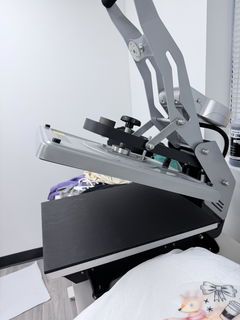
Power Push Button Switch
 In Stock
The Key to Industrial Safety: Power Push Button Switch
From industrial production lines to household appliances, the most critical point of any electrical system is the control element that starts or stops it. The Power Push Button Switch is the first physical point of contact an operator makes with a machine. This small component does more than just open or close a circuit; it ensures system safety, user comfort, and operational efficiency. The quality of a push button determines how stably the entire system will function. In this guide, we will examine the technical structure, types, and industrial standards of power buttons in a detailed 900-word overview.
What is a Power Push Button Switch and How Does It Work?
A Power Push Button Switch is a mechanism that connects or disconnects electrical contacts through physical pressure applied to it. These switches usually consist of an outer casing, an internal spring mechanism, and conductive contacts.
When the button is pressed, the resistance of the spring is overcome, and the contacts touch each other to complete the circuit (or break it in the opposite case). When the user releases their finger, the spring returns the button to its original position (momentary type), or the button remains locked in the pressed position (latching type). Power buttons are designed to carry high current and voltage values. This feature distinguishes them from signal buttons because they can directly trigger a motor, heater, or power supply.
Design Variations: Momentary vs. Latching
Depending on the need, Power Push Button Switch models are divided into two main categories. This choice is made based on the operating principle of the machine.
-
Momentary Buttons: These keep the circuit active only as long as they are held down. The moment the finger is removed, the power is cut off. They are generally used for "Start" functions or testing operations. From a safety perspective, they are lifesavers in scenarios where the machine must stop if the operator releases the button.
-
Latching Buttons: These stay pressed down once pushed and keep the circuit continuously open or closed. They must be pressed again to return to their original position. They are ideal for lights, fans, or main power lines that need to run continuously.
Material Quality and Durability Standards
An industrial Power Push Button Switch is subjected to thousands of physical operations every day. Therefore, the quality of the materials used determines the life of the unit.
Pressing surfaces are usually manufactured from stainless steel, nickel-plated brass, or high-strength polycarbonate. Metal-bodied buttons provide superior protection against impacts and external environmental conditions (Vandal-Proof). Silver or gold plating is preferred for the contact points. Silver offers high conductivity, minimizing arc formation and oxidation. This ensures that the internal resistance of the switch does not increase and prevents energy loss. A high-quality button should offer a mechanical life of millions of presses.
Water and Dust Protection: The IP Rating
Power buttons are not always used in clean laboratories. They often serve in dusty factories, humid kitchens, or outdoor panels. This is where the IP (Ingress Protection) rating comes into play.
An IP65 or IP67 certified Power Push Button Switch is resistant to water splashes, heavy dust, and even temporary immersion in water. Silicone seals inside the button prevent liquid from leaking into the electrical components. This protection eliminates the risk of short circuits and protects the operator from the danger of electric shock. Waterproof button selection is a technical necessity, especially for outdoor applications.
Illuminated Switches and User Feedback
An operator’s ability to understand the system status at a glance increases efficiency. LED-illuminated Power Push Button Switch models provide visual feedback.
Illuminated buttons can indicate if the system is on (green), if there is an error (red), or if it is on standby (yellow). Modern LED technology consumes very little energy and has a very long lifespan. Thanks to these buttons, it is easy to realize which switch needs to be pressed in dim environments or emergency situations. Visual notification reduces user errors and takes occupational safety to the next level.
Ergonomics and Operator Comfort
There may be hundreds of buttons on a factory control panel. A proper Power Push Button Switch should be ergonomically suited to the finger structure.
Flat, high-round, or mushroom head designs are chosen according to the purpose of use. For example, emergency stop buttons are always large and mushroom-shaped so they can be easily hit in a moment of panic. On the other hand, buttons used for precise adjustments may be smaller with smooth surfaces. The actuation force should neither be too hard, tiring the operator, nor too soft, leading to accidental pressing.
Electrical Capacity and Safe Current Management
Not every Power Push Button Switch can be used in every device. The amperage (A) and voltage (V) values the switch can carry are the most important selection criteria.
A button designed for low-voltage DC circuits like 12V/24V can quickly burn out or cause a fire by arcing if used with 220V AC grid voltage. Power buttons are generally built to manage high currents such as 5A, 10A, or even 20A. The width of the contacts and the insulation materials used are specifically adjusted to carry this power safely. Accounting for the device's inrush current when making a selection will extend the life of the button.
Ease of Mounting and Installation
For technical personnel, how a part is mounted is critical for time management. Power Push Button Switch units generally have standard drilling diameters such as 12mm, 16mm, 19mm, or 22mm.
Screw terminals offer a secure and solid connection, while solder terminals allow for more compact designs. Additionally, quick-connect connectors significantly shorten the installation time. The depth behind the panel is also a factor to consider during installation. "Short-body" buttons save space for thin panels.
Chemical Resistance and Industrial Environment
Buttons used in the food industry or chemical plants may be exposed to cleaning agents and solvents. Standard plastic buttons deform quickly in such environments.
Stainless steel-bodied or specially coated models are resistant to acidic or alkaline substances. A button that does not suffer from chemical corrosion will not stick mechanically and will not lose its electrical conductivity. In places with high hygiene standards, models with smooth surfaces that are easy to clean are preferred to prevent bacterial buildup.
Conclusion: The Right Button for the Right Start
A is much more than a simple "on/off" switch. It is the first command path to the brain of your machine. These components, where safety, durability, and aesthetics meet, represent the professionalism of your system.
Choosing a button with the correct voltage value, appropriate protection class, and high-quality material structure means years of trouble-free production. Cheap and low-quality switches can cause production downtime and work accidents, leading to much higher costs for your business. Invest in your future by equipping your production line or device with the best control solutions. Quality always starts with the push of a button.
deal for small-scale projects and sample prints, A4 DTF Film Sheets offer professional-grade results in a convenient size. This 100-pack provides excellent ink absorption and vibrant color saturation on both light and dark fabrics. Thanks to their double-sided coating, these films prevent slipping and offer high wash resistance. To examine these sheets in detail and place your order, you can access the product page by
To achieve professional results in your printing projects and stay updated on the latest techniques, we invite you to join our growing community. Whether you are looking for design inspiration, production tips, or real-time support for your orders, you can easily connect with us through our various social media platforms and communication channels.
Stay connected and follow our journey for the latest updates and industry insights:
For daily inspiration and behind-the-scenes application videos, follow us on Instagram at @fastdtfsupply and TikTok at @fastdtfsupplyus. You can also find our newest product announcements and company news on our Facebook page (Fast DTF Supply). For immediate assistance, custom quotes, or quick order support, feel free to message us directly via our WhatsApp support line.
- Processing1-2 Business Days
- Standard Shipping3-5 Business Days
- Express Shipping1-2 Business Days
- Free ShippingOrders $99+
The Key to Industrial Safety: Power Push Button Switch
From industrial production lines to household appliances, the most critical point of any electrical system is the control element that starts or stops it. The Power Push Button Switch is the first physical point of contact an operator makes with a machine. This small component does more than just open or close a circuit; it ensures system safety, user comfort, and operational efficiency. The quality of a push button determines how stably the entire system will function. In this guide, we will examine the technical structure, types, and industrial standards of power buttons in a detailed 900-word overview.
What is a Power Push Button Switch and How Does It Work?
A Power Push Button Switch is a mechanism that connects or disconnects electrical contacts through physical pressure applied to it. These switches usually consist of an outer casing, an internal spring mechanism, and conductive contacts.
When the button is pressed, the resistance of the spring is overcome, and the contacts touch each other to complete the circuit (or break it in the opposite case). When the user releases their finger, the spring returns the button to its original position (momentary type), or the button remains locked in the pressed position (latching type). Power buttons are designed to carry high current and voltage values. This feature distinguishes them from signal buttons because they can directly trigger a motor, heater, or power supply.
Design Variations: Momentary vs. Latching
Depending on the need, Power Push Button Switch models are divided into two main categories. This choice is made based on the operating principle of the machine.
-
Momentary Buttons: These keep the circuit active only as long as they are held down. The moment the finger is removed, the power is cut off. They are generally used for "Start" functions or testing operations. From a safety perspective, they are lifesavers in scenarios where the machine must stop if the operator releases the button.
-
Latching Buttons: These stay pressed down once pushed and keep the circuit continuously open or closed. They must be pressed again to return to their original position. They are ideal for lights, fans, or main power lines that need to run continuously.
Material Quality and Durability Standards
An industrial Power Push Button Switch is subjected to thousands of physical operations every day. Therefore, the quality of the materials used determines the life of the unit.
Pressing surfaces are usually manufactured from stainless steel, nickel-plated brass, or high-strength polycarbonate. Metal-bodied buttons provide superior protection against impacts and external environmental conditions (Vandal-Proof). Silver or gold plating is preferred for the contact points. Silver offers high conductivity, minimizing arc formation and oxidation. This ensures that the internal resistance of the switch does not increase and prevents energy loss. A high-quality button should offer a mechanical life of millions of presses.
Water and Dust Protection: The IP Rating
Power buttons are not always used in clean laboratories. They often serve in dusty factories, humid kitchens, or outdoor panels. This is where the IP (Ingress Protection) rating comes into play.
An IP65 or IP67 certified Power Push Button Switch is resistant to water splashes, heavy dust, and even temporary immersion in water. Silicone seals inside the button prevent liquid from leaking into the electrical components. This protection eliminates the risk of short circuits and protects the operator from the danger of electric shock. Waterproof button selection is a technical necessity, especially for outdoor applications.
Illuminated Switches and User Feedback
An operator’s ability to understand the system status at a glance increases efficiency. LED-illuminated Power Push Button Switch models provide visual feedback.
Illuminated buttons can indicate if the system is on (green), if there is an error (red), or if it is on standby (yellow). Modern LED technology consumes very little energy and has a very long lifespan. Thanks to these buttons, it is easy to realize which switch needs to be pressed in dim environments or emergency situations. Visual notification reduces user errors and takes occupational safety to the next level.
Ergonomics and Operator Comfort
There may be hundreds of buttons on a factory control panel. A proper Power Push Button Switch should be ergonomically suited to the finger structure.
Flat, high-round, or mushroom head designs are chosen according to the purpose of use. For example, emergency stop buttons are always large and mushroom-shaped so they can be easily hit in a moment of panic. On the other hand, buttons used for precise adjustments may be smaller with smooth surfaces. The actuation force should neither be too hard, tiring the operator, nor too soft, leading to accidental pressing.
Electrical Capacity and Safe Current Management
Not every Power Push Button Switch can be used in every device. The amperage (A) and voltage (V) values the switch can carry are the most important selection criteria.
A button designed for low-voltage DC circuits like 12V/24V can quickly burn out or cause a fire by arcing if used with 220V AC grid voltage. Power buttons are generally built to manage high currents such as 5A, 10A, or even 20A. The width of the contacts and the insulation materials used are specifically adjusted to carry this power safely. Accounting for the device's inrush current when making a selection will extend the life of the button.
Ease of Mounting and Installation
For technical personnel, how a part is mounted is critical for time management. Power Push Button Switch units generally have standard drilling diameters such as 12mm, 16mm, 19mm, or 22mm.
Screw terminals offer a secure and solid connection, while solder terminals allow for more compact designs. Additionally, quick-connect connectors significantly shorten the installation time. The depth behind the panel is also a factor to consider during installation. "Short-body" buttons save space for thin panels.
Chemical Resistance and Industrial Environment
Buttons used in the food industry or chemical plants may be exposed to cleaning agents and solvents. Standard plastic buttons deform quickly in such environments.
Stainless steel-bodied or specially coated models are resistant to acidic or alkaline substances. A button that does not suffer from chemical corrosion will not stick mechanically and will not lose its electrical conductivity. In places with high hygiene standards, models with smooth surfaces that are easy to clean are preferred to prevent bacterial buildup.
Conclusion: The Right Button for the Right Start
A is much more than a simple "on/off" switch. It is the first command path to the brain of your machine. These components, where safety, durability, and aesthetics meet, represent the professionalism of your system.
Choosing a button with the correct voltage value, appropriate protection class, and high-quality material structure means years of trouble-free production. Cheap and low-quality switches can cause production downtime and work accidents, leading to much higher costs for your business. Invest in your future by equipping your production line or device with the best control solutions. Quality always starts with the push of a button.
deal for small-scale projects and sample prints, A4 DTF Film Sheets offer professional-grade results in a convenient size. This 100-pack provides excellent ink absorption and vibrant color saturation on both light and dark fabrics. Thanks to their double-sided coating, these films prevent slipping and offer high wash resistance. To examine these sheets in detail and place your order, you can access the product page by
To achieve professional results in your printing projects and stay updated on the latest techniques, we invite you to join our growing community. Whether you are looking for design inspiration, production tips, or real-time support for your orders, you can easily connect with us through our various social media platforms and communication channels.
Stay connected and follow our journey for the latest updates and industry insights:
For daily inspiration and behind-the-scenes application videos, follow us on Instagram at @fastdtfsupply and TikTok at @fastdtfsupplyus. You can also find our newest product announcements and company news on our Facebook page (Fast DTF Supply). For immediate assistance, custom quotes, or quick order support, feel free to message us directly via our WhatsApp support line.
- Processing1-2 Business Days
- Standard3-5 Business Days
- Express1-2 Business Days
- Free ShippingOrders $99+