Positioning Rod
 In Stock
What is a Positioning Rod
A positioning rod is a high-precision mechanical component used to align and stabilize moving parts within industrial machinery. These rods act as guides, ensuring that components move along a fixed path without deviation. In precision-heavy industries like DTF printing and heat pressing, a positioning rod is essential for maintaining accuracy.
Without these small but mighty parts, machines would lose calibration. This would lead to misaligned prints, wasted materials, and mechanical wear. A high-quality positioning rod ensures that every cycle of your machine is as perfect as the first.
Technical Importance of Positioning Rods
Positioning rods are more than just simple metal bars. They are engineered to handle repetitive stress while maintaining strict tolerances. Their smooth surface reduces friction, which is vital for high-speed automated systems.
-
High Material Strength: Usually made from hardened steel or chrome-plated alloys to prevent bending.
-
Surface Smoothness: Polished finishes allow bearings and sliders to move with minimal resistance.
-
Corrosion Resistance: Specially coated to withstand the humid and chemical-heavy environment of a print shop.
-
Precision Fit: Manufactured to exact millimeter specifications for a snug, no-play fit.
Why Accuracy Matters in DTF and Heat Pressing
In the world of garment decoration, "close enough" is never good enough. The positioning rod plays a silent but vital role in the quality of your finished product.
Perfect Alignment
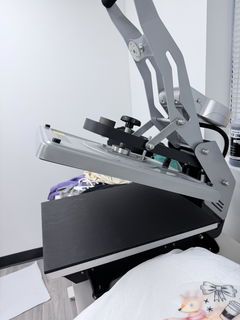
In a heat press, the positioning rod ensures the heating platen descends exactly onto the lower plate. If the rod is worn or bent, the pressure becomes uneven. This results in designs that peel off after a single wash.
Smooth Motion for DTF Shakers
Automated DTF powder shakers use these rods to guide the film through the curing process. Smooth motion prevents the film from jerking, which ensures the adhesive powder is distributed evenly across the wet ink.
Vibration Dampening
Quality rods help absorb micro-vibrations during the printing process. This stability is what allows high-resolution printers to produce sharp lines without blurriness or "ghosting."
Signs Your Positioning Rod Needs Replacement
Like any mechanical part, positioning rods can wear out over time. Recognizing the signs of failure early can save you from a costly breakdown.
-
Visible Scratches: Deep grooves on the rod surface can damage bearings and cause "stuttering" movements.
-
Increased Noise: A squeaking or grinding sound during operation often points to a dry or misaligned rod.
-
Uneven Results: If one side of your press is applying more pressure than the other, the guide rods may be out of alignment.
-
Physical Play: If you can "wiggle" the moving parts that should be firm, the rod or its housing is likely worn down.
Maintenance Tips for Maximum Longevity
To keep your machinery running smoothly, follow these simple maintenance steps for your positioning rods:
-
Regular Lubrication: Use the manufacturer-recommended grease or oil to keep the motion fluid.
-
Keep It Clean: Wipe away dust, lint, and ink overspray daily. Debris can act like sandpaper on the rod surface.
-
Tighten Mounts: Periodically check the bolts holding the rods in place to ensure they haven't vibrated loose.
Get Professional Grade Parts for Your Business
Don't let a small part hold back your production. Using professional-grade positioning rods and accessories ensures your equipment stays in peak condition for years to come.
Find the exact parts you need to keep your workshop efficient:
-
Essential Accessories:
Fast DTF Supply Parts Collection
Join our community for the latest industry updates, troubleshooting guides, and product reveals:
-
Facebook:
Fast DTF Supply -
Instagram:
@fastdtfsupply -
TikTok:
@fastdtfsupplyus
- Processing1-2 Business Days
- Standard Shipping3-5 Business Days
- Express Shipping1-2 Business Days
- Free ShippingOrders $99+
What is a Positioning Rod
A positioning rod is a high-precision mechanical component used to align and stabilize moving parts within industrial machinery. These rods act as guides, ensuring that components move along a fixed path without deviation. In precision-heavy industries like DTF printing and heat pressing, a positioning rod is essential for maintaining accuracy.
Without these small but mighty parts, machines would lose calibration. This would lead to misaligned prints, wasted materials, and mechanical wear. A high-quality positioning rod ensures that every cycle of your machine is as perfect as the first.
Technical Importance of Positioning Rods
Positioning rods are more than just simple metal bars. They are engineered to handle repetitive stress while maintaining strict tolerances. Their smooth surface reduces friction, which is vital for high-speed automated systems.
-
High Material Strength: Usually made from hardened steel or chrome-plated alloys to prevent bending.
-
Surface Smoothness: Polished finishes allow bearings and sliders to move with minimal resistance.
-
Corrosion Resistance: Specially coated to withstand the humid and chemical-heavy environment of a print shop.
-
Precision Fit: Manufactured to exact millimeter specifications for a snug, no-play fit.
Why Accuracy Matters in DTF and Heat Pressing
In the world of garment decoration, "close enough" is never good enough. The positioning rod plays a silent but vital role in the quality of your finished product.
Perfect Alignment
In a heat press, the positioning rod ensures the heating platen descends exactly onto the lower plate. If the rod is worn or bent, the pressure becomes uneven. This results in designs that peel off after a single wash.
Smooth Motion for DTF Shakers
Automated DTF powder shakers use these rods to guide the film through the curing process. Smooth motion prevents the film from jerking, which ensures the adhesive powder is distributed evenly across the wet ink.
Vibration Dampening
Quality rods help absorb micro-vibrations during the printing process. This stability is what allows high-resolution printers to produce sharp lines without blurriness or "ghosting."
Signs Your Positioning Rod Needs Replacement
Like any mechanical part, positioning rods can wear out over time. Recognizing the signs of failure early can save you from a costly breakdown.
-
Visible Scratches: Deep grooves on the rod surface can damage bearings and cause "stuttering" movements.
-
Increased Noise: A squeaking or grinding sound during operation often points to a dry or misaligned rod.
-
Uneven Results: If one side of your press is applying more pressure than the other, the guide rods may be out of alignment.
-
Physical Play: If you can "wiggle" the moving parts that should be firm, the rod or its housing is likely worn down.
Maintenance Tips for Maximum Longevity
To keep your machinery running smoothly, follow these simple maintenance steps for your positioning rods:
-
Regular Lubrication: Use the manufacturer-recommended grease or oil to keep the motion fluid.
-
Keep It Clean: Wipe away dust, lint, and ink overspray daily. Debris can act like sandpaper on the rod surface.
-
Tighten Mounts: Periodically check the bolts holding the rods in place to ensure they haven't vibrated loose.
Get Professional Grade Parts for Your Business
Don't let a small part hold back your production. Using professional-grade positioning rods and accessories ensures your equipment stays in peak condition for years to come.
Find the exact parts you need to keep your workshop efficient:
-
Essential Accessories:
Fast DTF Supply Parts Collection
Join our community for the latest industry updates, troubleshooting guides, and product reveals:
-
Facebook:
Fast DTF Supply -
Instagram:
@fastdtfsupply -
TikTok:
@fastdtfsupplyus
- Processing1-2 Business Days
- Standard3-5 Business Days
- Express1-2 Business Days
- Free ShippingOrders $99+